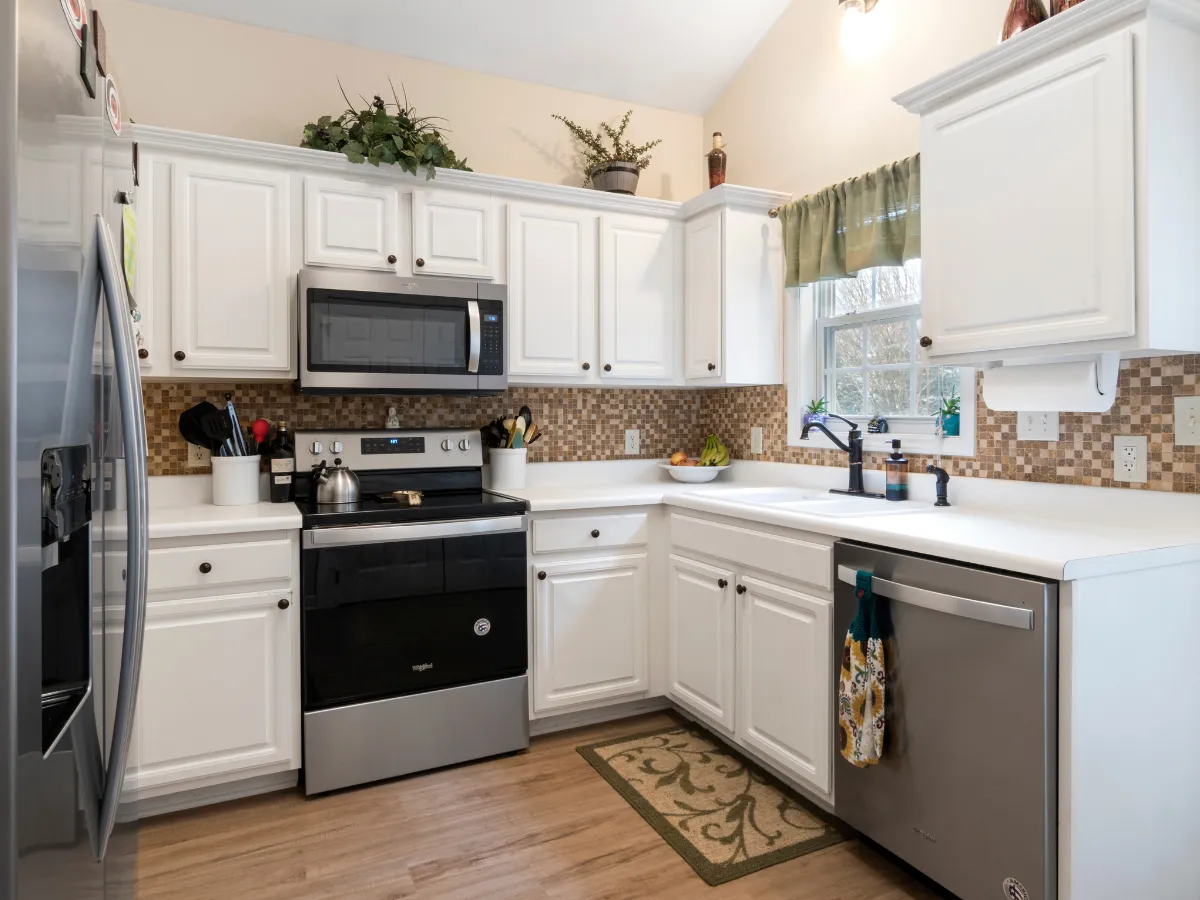
Kitchen Remodeling Timeline: Initial Design Through Final Stages
A kitchen remodel is one of the most significant investments property owners make. Whether you're a homeowner upgrading your primary residence, a landlord improving rental appeal, or a business owner updating a residential property portfolio, understanding the timeline helps set realistic expectations and avoid unnecessary stress.
Kitchen renovations are not single-day projects—they move through carefully coordinated phases. From early design conversations to the final punch list, each step plays a critical role in delivering a finished space that is functional, durable, and aligned with your goals.
Below is a practical look at what a well-managed kitchen remodeling timeline typically involves.
Phase 1: Initial Consultation and Project Discovery
Every successful renovation begins with clarity. During the initial consultation, your contractor gathers information about:
How the kitchen is currently used
Pain points in layout or functionality
Desired upgrades (storage, appliances, finishes)
Budget range and timeline expectations
This is also when structural considerations are discussed. Removing walls, relocating plumbing, or upgrading electrical systems can significantly impact both cost and duration.
Working with a professional design-and-build firm such as Cassella Design & Build ensures that design intent and construction feasibility are evaluated together from the beginning.
This early alignment helps prevent costly redesigns later.
Phase 2: Design Development and Planning
Once goals are defined, the project transitions into detailed design. This stage includes:
Layout revisions and space planning
Cabinet configuration and storage solutions
Appliance selection and placement
Material choices for countertops, flooring, and backsplash
Lighting plans and electrical layouts
For larger projects, engineering review may be required—especially if walls are being removed or structural modifications are involved.
Homeowners sometimes underestimate this stage, but thorough planning often determines whether construction proceeds smoothly. Rushed design decisions can lead to delays, change orders, and budget overruns.
If the remodel is part of a broader property upgrade, it may align with other interior renovations to maintain design consistency throughout the home.
Design typically takes several weeks, depending on complexity and material lead times.
Phase 3: Permits and Material Ordering
Before demolition begins, necessary permits must be secured. In Northern Virginia and surrounding areas, code requirements may apply to:
Electrical updates
Plumbing modifications
Structural changes
Ventilation systems
Simultaneously, long-lead items such as cabinetry, specialty appliances, and custom fixtures are ordered. Delays in materials are one of the most common timeline disruptors, which is why early procurement is critical.
This stage may feel quiet from a construction standpoint, but it is foundational to keeping the project on schedule.
Phase 4: Demolition and Site Preparation
Once materials are secured and permits approved, physical work begins.
Demolition typically includes:
Removing existing cabinets and countertops
Disconnecting appliances
Tearing out flooring if needed
Opening walls for plumbing or electrical adjustments
Dust containment and site protection are essential during this phase, particularly in occupied homes. Clear communication between the contractor and property owner helps minimize disruption.
Demolition often moves quickly—but what follows requires precision.
Phase 5: Rough Construction and Systems Work
After demolition, the focus shifts to infrastructure:
Framing adjustments
Plumbing relocation
Electrical rewiring
HVAC updates
Inspections may be required before walls are closed. These inspections protect both the homeowner and contractor, ensuring compliance with local codes.
This phase is not visually dramatic, but it forms the backbone of a high-performing kitchen. Mistakes at this stage can create long-term issues.
Phase 6: Installation of Cabinets, Surfaces, and Fixtures
With rough work approved, the kitchen begins to take shape.
Cabinets are installed first, followed by:
Countertops
Tile backsplash
Flooring
Plumbing fixtures
Appliances
Lighting elements
Precision matters here. Cabinet alignment, seam placement, and finish detailing all affect the final outcome.
For property owners managing multiple renovations, efficiency during this stage can significantly reduce downtime—especially when coordinating with other upgrades like bathroom remodeling within the same property.
Phase 7: Final Touches and Punch List
The final stage is often referred to as the “punch list.” This includes reviewing:
Paint touch-ups
Cabinet hardware adjustments
Caulking and sealing
Fixture calibration
Minor cosmetic corrections
A thorough walk-through ensures all agreed-upon details are completed before project closeout.
This step may seem minor, but it distinguishes a rushed renovation from a professionally managed one.
Typical Timeline Expectations
While every project differs, a mid-range kitchen remodel often follows this general timeframe:
Design & planning: 3–6 weeks
Permits & ordering: 2–6 weeks (overlapping where possible)
Construction: 6–10 weeks
Complex structural changes or custom materials can extend these ranges.
Clear scheduling and proactive communication are what keep projects predictable.
Avoiding Common Timeline Delays
Several factors can extend a kitchen remodel unnecessarily:
Late design changes
Incomplete material selections
Backordered appliances
Permit complications
Poor coordination between trades
Choosing a design-and-build contractor who manages these variables internally reduces risk and keeps the timeline moving.
Why Understanding the Timeline Matters
For homeowners, knowing what to expect helps prepare for temporary kitchen displacement. For landlords, downtime affects rental revenue. For business owners, efficiency impacts overall portfolio performance.
A realistic timeline, clearly communicated, allows you to plan around the disruption rather than react to it.
Kitchen remodeling is a layered process—not just a construction job. From design development through the final punch list, each phase builds upon the last.
If you're considering a kitchen renovation and want a structured, professionally managed approach from start to finish, contact the design & build team here to discuss your project goals and timeline expectations.
