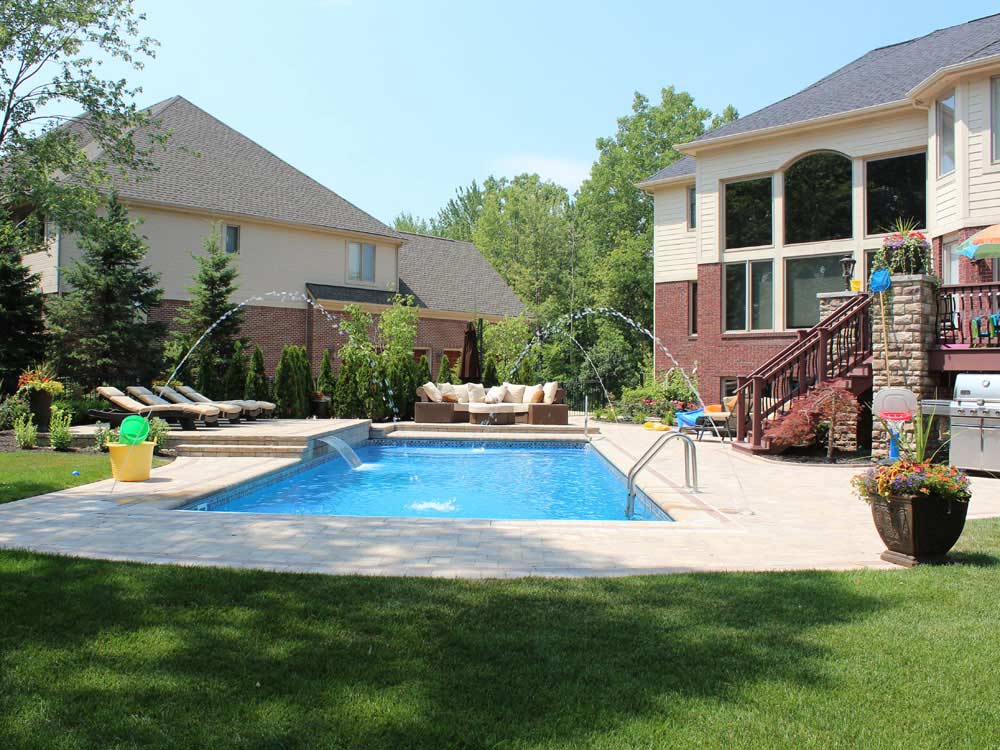
Fiberglass Pool Installation Timeline & Site Prep in NOVA
Installing a fiberglass pool in Northern Virginia is a major property upgrade. Whether you’re a homeowner investing in long-term enjoyment, a landlord enhancing rental appeal, or a business owner developing a residential property asset, understanding the installation timeline and site preparation requirements is essential.
Fiberglass pools are often chosen for their durability, lower maintenance needs, and faster installation compared to traditional concrete builds. However, “faster” does not mean simple. Proper planning, excavation, drainage, and coordination all determine whether the project runs smoothly or encounters delays.
Below is a practical breakdown of what to expect when installing a fiberglass pool in NOVA.
Phase 1: Planning, Design & Feasibility
Before excavation begins, the project starts with evaluating the property.
Key considerations include:
Yard access for delivery and equipment
Existing grading and slope
Underground utilities
Setback requirements and local zoning regulations
HOA guidelines (if applicable)
In Northern Virginia, many neighborhoods have tight lot lines and limited access points. Because fiberglass pools are delivered as a single molded shell, confirming that a crane or delivery truck can access the yard is critical.
Working with an experienced contractor like Cassella Design & Build ensures these logistical concerns are identified early, reducing the risk of mid-project adjustments.
This stage typically includes selecting the pool size and shape, finalizing placement, and coordinating any surrounding outdoor features.
Phase 2: Permits and Scheduling
Pool installation in NOVA requires permits. These often involve:
Building permits
Electrical permits
Barrier and fencing compliance
Drainage review
Permit approval timelines vary by county, but they commonly take several weeks. During this period, contractors finalize delivery scheduling for the fiberglass shell and coordinate subcontractors.
Because fiberglass shells are manufactured off-site, production lead times should also be factored into the overall schedule.
Phase 3: Site Preparation and Excavation
Once permits are approved and the shell delivery date is confirmed, physical site preparation begins.
Marking and Layout
The exact pool location is marked according to engineered plans. Elevation levels are carefully measured to ensure proper waterline alignment and drainage flow.
Excavation
Excavation must match the precise dimensions of the fiberglass shell. Over-digging can create stability issues, while under-digging delays placement.
Soil conditions in Northern Virginia vary significantly. Clay-heavy soils may require additional stabilization or drainage planning. In sloped yards, retaining solutions or grading adjustments may be needed to create a stable base.
Base Preparation
A compacted stone base is installed to provide uniform support beneath the shell. This base must be level and properly compacted to prevent shifting or settling over time.
At this stage, attention to drainage is critical. Incorporating proper stormwater management helps protect both the pool structure and the surrounding property from water accumulation and soil erosion.
Phase 4: Pool Delivery and Placement
Fiberglass pool installation differs significantly from concrete builds at this point.
The pool shell arrives pre-formed and ready for placement. Using a crane, the shell is carefully lifted and lowered into the prepared excavation.
This process typically takes only a few hours—but precision matters. The shell must be perfectly aligned and leveled before backfilling begins.
Water is added to the pool simultaneously as gravel backfill is placed around the exterior. This equalizes pressure and stabilizes the structure.
When done correctly, this stage is efficient and visually dramatic. When rushed, it can create long-term structural problems.
Phase 5: Plumbing, Electrical & Equipment Installation
Once the shell is secured, attention shifts to system installation.
This includes:
Plumbing connections
Filtration and pump setup
Electrical wiring
Heater installation (if selected)
Automation systems
Inspections may be required before systems are finalized.
Proper coordination during this stage prevents delays later. Clear sequencing between trades ensures efficiency.
Phase 6: Decking and Surrounding Features
The pool itself is only part of the project. The surrounding area defines usability and aesthetics.
Many property owners incorporate features such as:
Concrete or paver decking
Seating walls
Outdoor lighting
Landscaping enhancements
Integrating hardscaping elements around the pool creates structure and visual cohesion while protecting surrounding soil from erosion.
The overall layout should complement the broader backyard vision, especially if part of larger fiberglass pool projects that include patios or outdoor entertaining areas.
Typical Timeline Expectations in NOVA
While timelines vary based on scope and weather conditions, a general estimate looks like this:
Design & permitting: 4–8 weeks
Excavation & shell placement: 1–2 weeks
Systems installation: 1–2 weeks
Decking & finishing: 2–4 weeks
Under ideal conditions, physical installation after permits can move relatively quickly. However, weather, inspections, and material lead times all influence completion dates.
Northern Virginia’s seasonal climate also impacts scheduling. Spring and early summer installations often require earlier planning due to contractor demand.
Common Site Prep Challenges in Northern Virginia
Certain local factors can complicate fiberglass pool installation:
Limited Access
Townhomes and narrow side yards may require creative equipment staging or partial fence removal.
Sloped Lots
Significant grading adjustments may be necessary to create a stable installation area.
Drainage Concerns
Improper drainage can lead to groundwater pressure beneath the shell, which may compromise long-term performance.
Addressing these challenges during the planning phase reduces costly adjustments later.
Why Proper Site Preparation Matters
Fiberglass pools are engineered for strength and longevity. However, their performance depends entirely on the stability of the base and the surrounding soil conditions.
Poor preparation can lead to:
Settling
Cracking in the decking
Drainage problems
Equipment inefficiencies
A well-prepared site ensures structural integrity, minimizes maintenance, and protects property value.
Planning Ahead for a Smooth Installation
For homeowners and property investors alike, early planning is the best way to protect both budget and timeline. Starting the design and permitting process months before your target completion date helps avoid seasonal backlogs and material delays.
Fiberglass pools offer an efficient installation method—but efficiency depends on proper sequencing, technical precision, and site-specific planning.
If you’re considering adding a pool to your Northern Virginia property and want a clear understanding of site prep and installation expectations, reach out to the design & build team to discuss your project timeline and explore the right approach for your space.
